Every number was someone’s child.
Parents across the country share what today’s high-potency marijuana did to their families, and why they are speaking out so yours doesn’t have to live it.
Some of their stories are shared here: the victims of marijuana, remembered by the people who loved them. The numbers behind the stories are on Can you die from marijuana?
♥These stories describe addiction, psychosis, suicide, and loss. If you or someone you love is in crisis, call or text 988.
They should still be here.
Tap a name to read their family’s story.
Read them. Share them. Remember them.
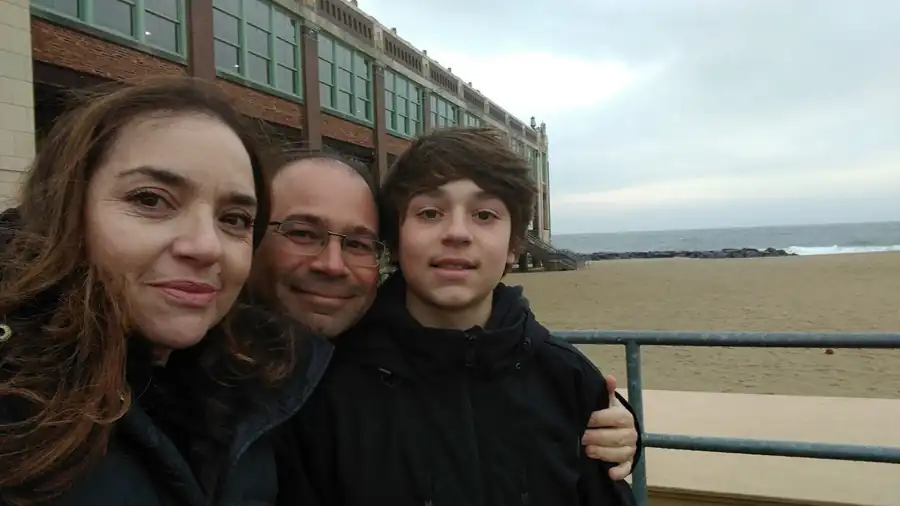
“He acknowledged what marijuana did to him and sought forgiveness from his family and God.”
Monica & Stephen DiLossi
Read the story →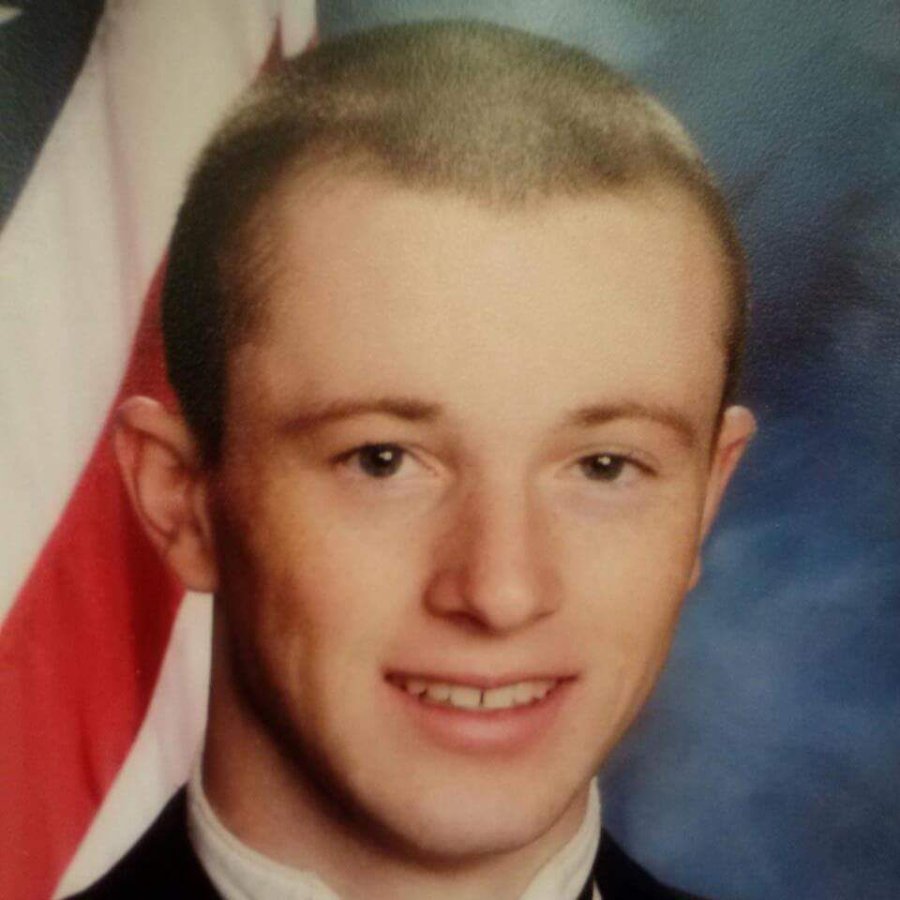
“My oldest son, 20-year-old Chase, had died in a wreck.”
Darryl Rodgers · North Carolina
Read the story →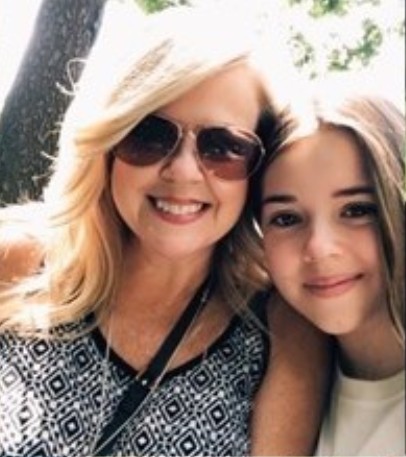
“My message here is never think it can’t happen to you.”
Cindy Gresham · Michigan
Read the story →
“He’s just a shell of a person, barely surviving and doesn’t communicate with us.”
Sarah P. · Maryland
Watch the video · 0:50 →
“You told me weed would hurt my brain, and it’s ruined my mind and my life.”
Laura Stack · Colorado
Read the story →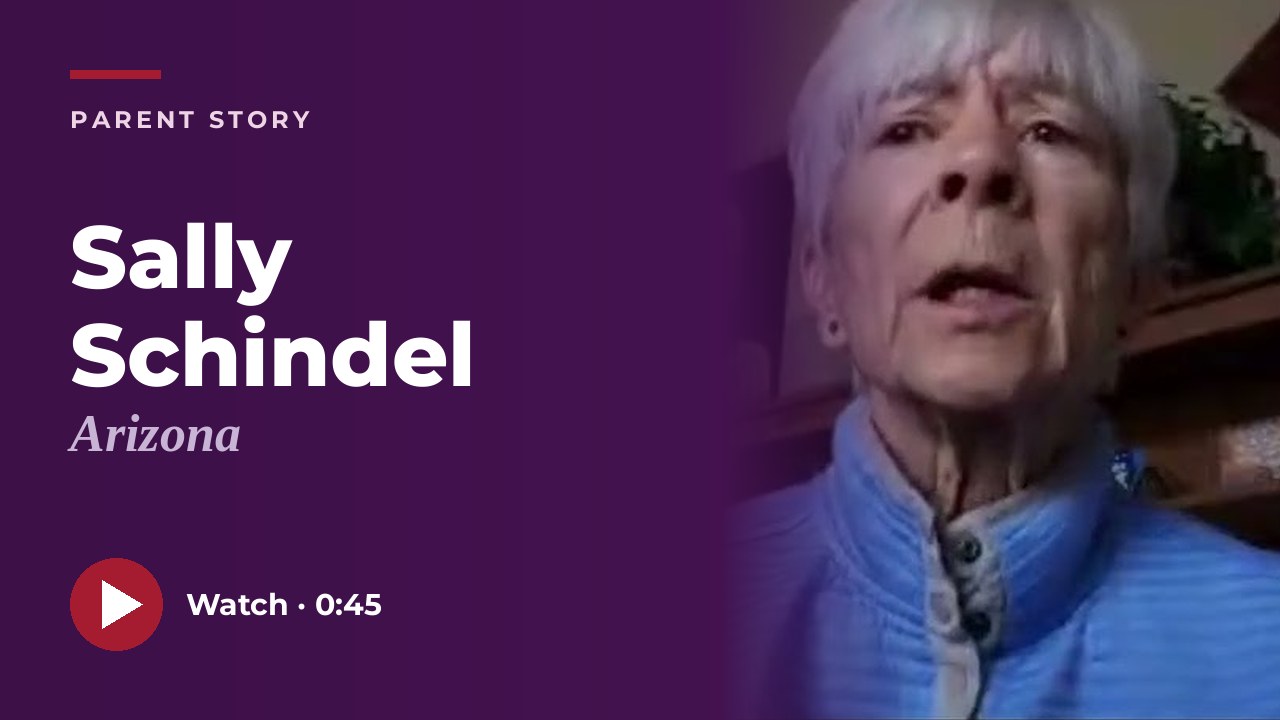
“My soul is already dead. Marijuana killed my soul + ruined my brain.”
Sally Schindel
Watch and read the story →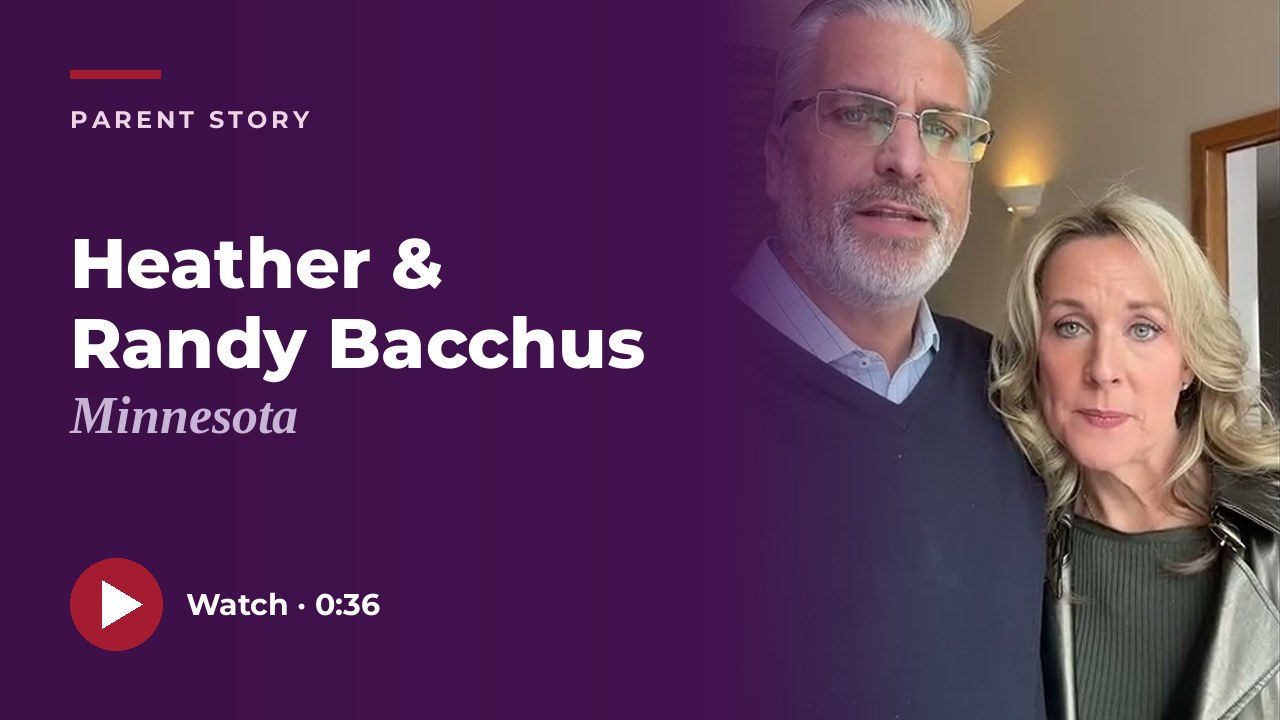
“Instead, we should be saying he is. He should still be here today.”
Heather & Randy Bacchus · Minnesota
Watch and read the story →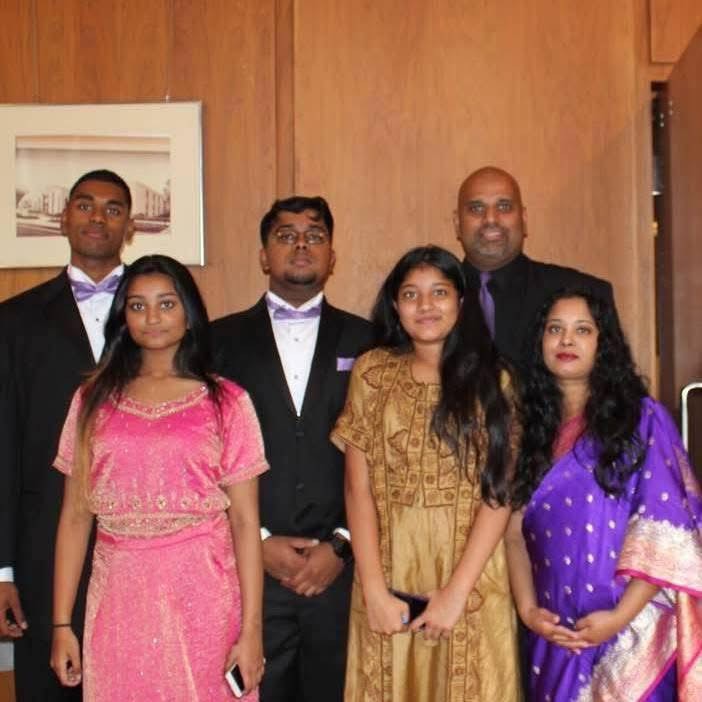
“My heart stopped the night I looked down from Joppa Road bridge and saw my son’s body.”
Raj & Anita Reddy · Maryland
Read the story →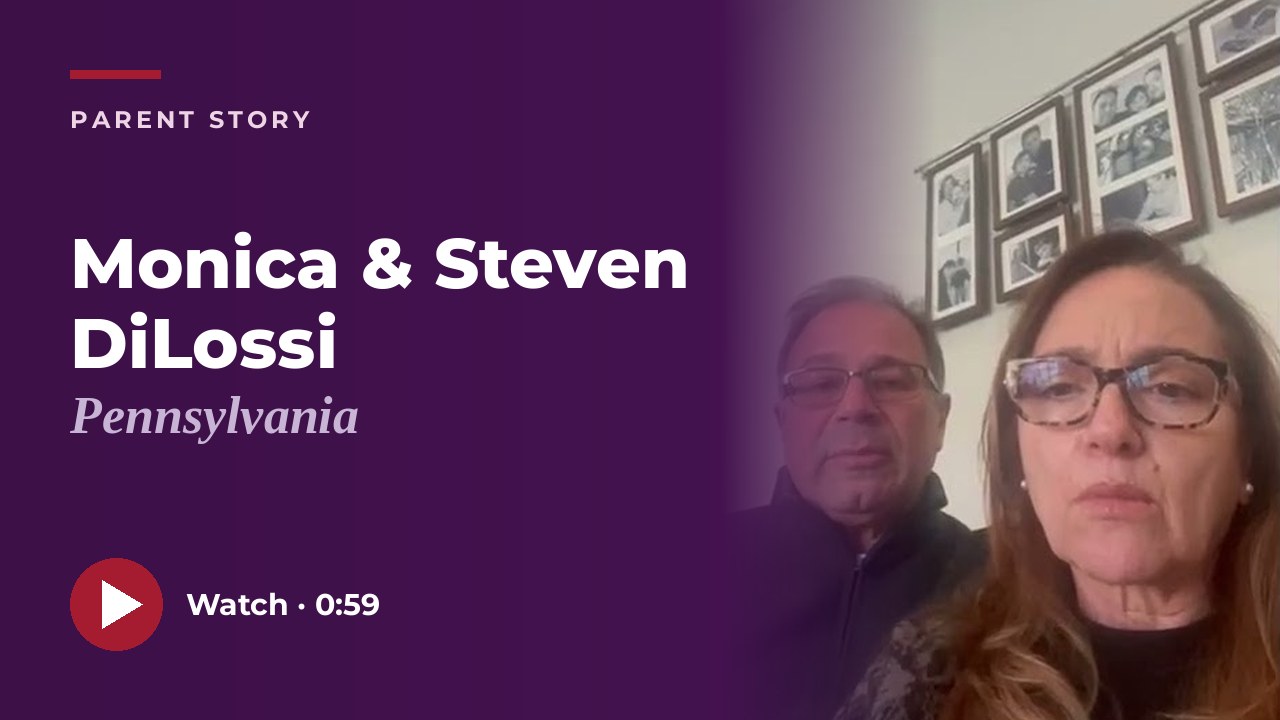
“Marijuana is killing our children.”
Monica & Steven DiLossi · Pennsylvania
Watch the video · 0:59 →
“Henry passed out again, but this time he was behind the wheel.”
Gordon MacDougall
Read the story →
“Another driver high on marijuana raced through a red light going 82 miles an hour.”
Corinne LaMarca Gasper
Read the story →“Although Justin’s story ended with heroin, it started with marijuana.”
Jeffrey Veatch
Read the story →
“One night, I had to run for my life from the son I no longer recognized.”
Amy W. · Connecticut
Watch and read the story →“Parents suffer in silence. It is a nightmare you can’t wake up from.”
Linda Wolfe · Montana
Read the story →“Cannabis-induced psychosis is not rare, not temporary, and not harmless.”
Suzy Gilleon · California
Read the story →
“He got a chocolate bar infused with THC and ate it all.”
Christine · Texas
Watch and read the story →
“My son started with marijuana to self-medicate and turned to high potent products.”
Juli Shamash · California
Watch the video · 0:40 →“A beautiful, talented young girl’s dreams, all shattered by marijuana.”
Ellen Snelling · Florida
Read the story →“I start each day with gratitude that my son is still breathing on this earth.”
Katherine R. · Virginia
Read the story →“We had never heard the term cannabis-induced psychosis until it entered our lives through an emergency room diagnosis.”
B., a mom · Michigan
Read the story →“So when I hear ‘it’s just weed,’ I cannot hear it casually.”
C. · Mother of S.
Read the story →
“I want to be clear, we were among the fortunate families. Not every child survives.”
Marti Roveda · Georgia
Read the story →Our only child, Antonio
Monica & Stephen DiLossi
In memory of Antonio DiLossi, 21
Our only child, Antonio, 20 years old, was being destroyed to the core with the policy and agenda of drugs and weed legalization. Enabled by doctors with no ethics who are providing medicinal marijuana cards to young people, across state lines with no medical justification, allowing them to buy marijuana and THC in every form. We were alone and lost in this chaos and this business, established under the premise of making money while simultaneously killing our children, physically and spiritually.
Our son, Antonio, first tried weed in 9th grade and since then, this young, academically gifted, hockey player, an athletic boy with plans to go to school, study mechanical engineering and work for a Formula 1 team, fell deep into addiction with the correspondent lack of will and empathy. He was brainwashed and insisted that weed was safer than alcohol, kept his “marijuana medical card” insisting all would be ok; he also originally refused to get therapy or clinical attention and rehab.
For us, the spectacular failure continued with the destruction of property, cars, no school, continued loss of jobs, and deadlines, events of violence, jail time and four cases to be resolved in the Courts of Philadelphia and Bucks County. That is a small sample of the turmoil.
He was attending psychological therapy and began taking a prescribed medicine for depression while waiting on a decision from the City of Brunswick, Georgia, to allow his probation case to be moved from Bucks County, PA so he could attend a unique recovery and independent living program in Georgia. This request was denied which led to Antonio’s further despair.
Having graduated from a Cyber High School, Antonio was slowly coming back to himself. He was sober by his own personal decision and not consuming any kind of drugs for nine months. Antonio realized that many of the poor choices he made were the ones that put him in a very bad position.
He was overwhelmed with his reality and while he wanted to change, he ultimately decided that it was insurmountable. He acknowledged what marijuana did to him and sought forgiveness from his family and God.
Antonio, our beloved son, took his life on October 30, 2025, at the tender age of 21. He was at home with us.
The day a police officer walked up my driveway
Darryl Rodgers · North Carolina
In memory of Chase Rodgers, 20
May 29th, 2014 was a warm, sunny day in Cary, North Carolina. I was pacing back and forth on my front lawn, having a phone conversation, when a police cruiser pulled up to the curb. The officer got out of his vehicle with a clipboard in hand and started up my driveway. I ended my phone call and met the officer, who then informed me that my oldest son, 20-year-old Chase, had died in a wreck.
Chase was a front-seat passenger in his own car, driven by an 18-year-old girl, with another passenger in the back seat. Just before the crash, Chase and his friends had smoked marijuana in a nearby park. They had traveled only a few miles before the driver lost control of the car in a curve at about 70 mph. The car left the road and struck a tree, killing Chase at the scene. It took emergency personnel almost an hour to extricate the occupants from the car. The driver and back seat passenger were rushed to the hospital with serious injuries and were discharged weeks later to continue their recovery at home.
Seven months after the wreck, and only a few weeks before her first court appearance, the driver poured gasoline over the floor of her apartment, stood in the middle of it, and ignited it. She died from her burns in the hospital the next day. Two suicide notes were found.
Chase was not a “bad kid.” He was popular, quiet, easy-going, and had a good sense of humor. He was a talented athlete and an Eagle Scout. However, after Chase began using marijuana, I noticed a sharp decline in his motivation and cognitive abilities.
Since Chase’s death, I have dedicated my life to raising awareness about drug abuse. I have become an interventionist and family recovery coach, aiming to save as many young people as possible from drug addiction and spare their families the pain that mine has endured.
In my work, I have noticed a shift in the past few years. Initially, most parents who contacted me were concerned about their child’s addiction to opiates or meth. Now, most of the calls I receive are from parents whose children are battling serious marijuana addiction. Many of these parents report that their teenage or adult child has experienced psychotic episodes due to marijuana use, often resulting in hospitalization and treatment in a mental facility.
I have also met many law enforcement officers, including those certified as Drug Recognition Experts (DRE). They frequently share the challenges they face in prosecuting marijuana-impaired driving cases due to inadequate laws and tools for proving impairment.
My message is clear: We need stronger laws and better tools to combat marijuana-impaired driving. Legislators must take action to protect our communities and prevent more families from experiencing the heart-wrenching loss of a loved one due to drug-impaired driving. Moreover, we need to implement laws that will keep marijuana out of the hands of our youth, ensuring they have a safer, healthier future. Let’s work together to make our roads safer and save lives.
“You were right about the marijuana”
Laura Stack · Colorado
In memory of Johnny Stack, 19
Johnny Stack was born on February 7, 2000, in Colorado. Johnny was happy, funny, handsome, talented, and extremely intelligent (he got a perfect score on the math portion of the SAT). He loved animals, video games, school, the beach, his friends, and his family. He had a 4.0 GPA (until his last semester of high school) and a scholarship to college. In other words, he was a perfectly normal boy with a wonderful life and a bright future. And he killed himself when he was 19 years old.
In 2014, when he was 14 years old, recreational marijuana was legalized in Colorado, and suddenly, it was everywhere and easy to get. He started smoking with friends to get high and later “dabbing” marijuana (a very potent 90% high-THC wax extract), which triggered bizarre episodes of marijuana-induced psychosis, and eventually, full-blown schizophrenia. He suffered from persecutory and delusional thinking (the FBI wanted him for terrorism, the world “knew about him,” the mob had it in for him, his parents were “in on it,” etc.).
Three days before he died, he told his mother, “I need to tell you that you were right…about the marijuana and the drugs. You told me weed would hurt my brain, and it’s ruined my mind and my life. I’m sorry, and I love you.”
He died by suicide three days later.
Now, Johnny’s parents, Laura and John, have started a nonprofit 501c3, Johnny’s Ambassadors, to educate parents and teens about the dangers of today’s high-THC marijuana on the developing adolescent mind. To become an Ambassador, visit JohnnysAmbassadors.org.
“Marijuana killed my soul”
Sally Schindel
In memory of Andy Zorn, 31
Andy Zorn was a young man with a happy upbringing. He was a class clown and helped good friends with mental health and substance abuse issues. But when Andy became a teen he began drinking and taking drugs to fit in. For a time, he functioned at a high level. He held down jobs, earned an Associate’s Degree, and completed three years of active duty in the Army’s 82nd Airborne Division, including a tour of duty in Iraq.
Over the course of five years, Andy suffered a downward spiral in life due to his addiction to marijuana. The years were punctuated by calls to suicide hotlines, hospitalizations in at least five different mental health facilities, and two sentences of court ordered mental health treatment.
In 2014, at the age of 31, Andy tragically died by suicide. He left a note that said, “My soul is already dead. Marijuana killed my soul + ruined my brain.” During the last week of his life, he told his parents and a social worker that he had to quit using marijuana, but he was addicted and was unable. He stated that when he tried to quit, he had horrible nightmares.
Prior to Andy’s heavy use of marijuana, he did not suffer from any mental health issues. After his marijuana use, Andy suffered from PTSD (Post Traumatic Stress Disorder), Obsessive Compulsive Disorder, Borderline Personality Disorder, Bi-Polar Disorder, Anxiety, Depression, as well as Severe Cannabis Use Disorder.
Now, Andy’s mother, Sally, spends her time sharing Andy’s story in the hopes others will heed his cautionary tale. She has been an extremely vocal opponent of commercializing marijuana. To learn more about Andy and others who have been harmed by marijuana, visit momsstrong.org.
He should still be here today
Heather & Randy Bacchus · Minnesota
In memory of Randy Michael Bacchus, 21
It is heartbreaking to say that Randy Michael Bacchus was a bright, hardworking, and energetic young man with a promising future. Instead, we should be saying he is. He should still be here today.
Randy Michael was born into a loving and supportive family. He was known for his infectious smile, sense of humor, compassionate heart, and desire to make a difference in the world. But at just 21 years old, his life was cut tragically short by cannabis-induced psychosis and suicide, brought on by his use of today’s high-potency cannabis products.
Like many young people, Randy began experimenting with cannabis at the age of 15. He was seeking acceptance from his peers, and using cannabis made navigating adolescence feel easier, at least in the short term. Marijuana, as he referred to it, was not the same as it was when my husband and I were young. Today’s cannabis products can be genetically modified and highly concentrated, with some products offering THC levels exceeding 90%. These products are widely available despite a growing body of evidence showing significant risks, particularly to young, developing brains.
Randy’s recreational use quickly developed into an addiction. Eventually, after moving to a state where cannabis was legal, he was able to obtain a medical marijuana card at just 19 years old, despite having previously been diagnosed with cannabis use disorder. Shortly after he began using cannabis, his personality began to change. Once confident and full of life, Randy became increasingly withdrawn, anxious, and paranoid. Eventually, he struggled with hallucinations, delusions, and a profound disconnect from reality.
We knew our son was struggling, but we were unaware that Randy was experiencing cannabis-induced psychosis, a severe condition associated with cannabis use and high levels of THC. Despite our family’s multiple efforts to help him through offering treatment, counseling, medical care, and love, Randy’s condition continued to worsen.
Six years after Randy first began using cannabis, the impacts of cannabis-induced psychosis had become all-consuming. As he tried to quit, withdrawal left him feeling anxious, depressed, and trapped in a mind consumed by paranoia and delusions. On July 17, 2021, Randy died by suicide. He was just 21 years old.
We learned that Randy’s death was not an isolated tragedy. A growing body of research has identified associations between high-potency cannabis use and serious mental health concerns, including psychosis, depression, anxiety, and suicidal ideation. The consequences devastate families across the country, yet awareness of these risks remains alarmingly low.
We share Randy’s story not out of anger, but out of a profound sense of urgency. We share his story and this information with policymakers because we believe they have a responsibility to understand the potential dangers of today’s high-potency cannabis products, the rapidly evolving cannabis industry, and their implications for public health, especially the mental health of young people.
Randy’s story is one of thousands. His life and his death reflect a larger public health crisis that must be addressed. We cannot allow another family to experience the pain of losing a child to a tragedy that is preventable.
A nightmare from which I could not wake up
Raj & Anita Reddy · Maryland
In memory of Aaron Reddy
Aaron was an intelligent, handsome, articulate, and comical young man who was compassionate and forgiving. He was accepting, loving of everyone, quick-witted, and always joking around with family and friends. He was the life of the party. Aaron was in the Future Business Leaders of America organization as well as a college accounting program.
Looking back now, there were signs we never connected to marijuana. Starting in middle school, he became aggressive. We don’t drink or do drugs, so I didn’t know that we should have suspected drugs. We’re part of the Indian community. For immigrant families, drugs can kill the American Dream, especially when we don’t know this aspect of American culture.
Food is a large part of our culture. Aaron loved cooking; he loved food and fellowship. No wonder he went to work in the food and restaurant business, where all his dreams died. We literally learned of my son’s marijuana use within hours before he died. That was the day we found marijuana in his bedroom.
At age 16, Aaron began working at a restaurant. A family he worked with was planning to start a medical marijuana business in Maryland. They knew that Aaron was smart at business and planned to become an accountant. We’ve since learned that they were making marijuana edibles and selling them on the side. Plus, restaurant workers who had medical marijuana cards sold high-potency honey, shatter, wax, and budder to the other (younger) kids working there.
One day our lives changed forever. That morning, he revealed a paranoid aggressive side, new to me. A co-worker warned me that he was probably using marijuana. After finding marijuana in his room that evening, I called Aaron at work and told him that he was in trouble and would lose his privileges. The biggest mistake I’ve ever made was not waiting for him to come home first, before discussing this matter.
That evening his father, Raj, called him and found out he had crashed his car into a tree. He was crying and saying, “I’m sorry, dad.” Raj told him, “Come home and we will talk about it.” He didn’t come home. He crossed the highway on foot, dazed, and was hit by two vehicles, one being driven by a young man who had two prior DUI cannabis arrests.
My heart stopped the night I looked down from Joppa Road bridge and saw my son’s body. I screamed to him, “Mommy is here!” This was a nightmare from which I could not wake up.
By the time we drove to the other side of the highway, they had covered Aaron up because he had died. The police noticed the smell of marijuana and found a dabbing rig in his car. The toxicology report came back clean. We asked if they tested for THC, but they hadn’t. We had to ask the coroner three times before Aaron was tested for THC. Very high levels of THC Delta-9 and Delta-11 were found in his system at the time of death.
The Indian community doesn’t talk about this, but we are sharing Aaron’s story to be his voice to say, “Stay away from marijuana.” There is no benefit; it will give you pain. The cannabis industry uses us as guinea pigs, making money while we suffer.
Sixteen years old, behind the wheel
Gordon MacDougall
In memory of Henry MacDougall, 16
On October 6, 2017, 16-year-old Henry MacDougall was with a 19-year-old friend “dabbing” marijuana, using an inhaler to breathe in the smoke of highly potent marijuana concentrates that are up to 99% THC.
The older teen took videos of Henry dabbing the concentrates and again after he passed out. The older teen allowed Henry to get in his car and drive home shortly after this. On the way home, Henry passed out again, but this time he was behind the wheel. He drove through a stop sign and was hit by an on-coming semi-truck. Henry died a few hours later.
In an effort to honor the legacy of his son, Gordon has become a vocal opponent of marijuana legalization in the hopes that no other parent suffers the grief of losing their child because of marijuana use.
On her way to work
Corinne LaMarca Gasper
In memory of Jennifer Hrobuchak, 22
Corinne LaMarca Gasper’s daughter Jennifer Hrobuchak was killed by a driver under the influence of marijuana. The 22-year-old recent college graduate had plans for a career, marriage, and family.
On July 24, 2012, Jennifer was on her way to work. In the early morning hours Jennifer drove through a green light. Another driver high on marijuana raced through a red light going 82 miles an hour. He t-boned Jennifer’s car and sent it careening into a Lube Stop that then collapsed on top of her. Jennifer died.
The man who hit her had two previous DUI convictions and had driven to a neighboring state to buy his marijuana where it was available commercially. He walked away from the crash unharmed and served only 17 months in jail.
Corinne now dedicates her life to educating parents, youth and elected officials about the danger of driving under the influence of marijuana, advocating for victims’ rights and justice for families. She is also a vocal advocate against legalizing marijuana, knowing that state lines can’t block marijuana from taking its toll somewhere else.
Gasper shares her story so no other parent has to experience this horrible and preventable loss. She has appeared on numerous media outlets and has been an ambassador, speaker and advocate for both regional and national organizations.
It started with marijuana
Jeffrey Veatch
In memory of Justin Veatch
In 2008 Jeffrey’s son Justin died after snorting heroin. Although Justin’s story ended with heroin, it started with marijuana.
Justin Veatch was a talented young musician and songwriter. When he was 14, he began experimenting with marijuana. His parents were concerned and took him to a counselor to get help. Jeffrey says the counselor didn’t seem too concerned with Justin’s marijuana use and so they let it slide.
Justin’s marijuana use coincided with anxieties he did not discuss with his parents. Instead, Justin self-medicated by adding other recreational drugs and ultimately prescription opiates. He became dependent upon the opiates and when he could no longer access strong enough pills, he turned to snorting street heroin.
Jeffrey Veatch agrees that not all young people who use marijuana will end up using other drugs. But he knows in his son’s case, marijuana was the trigger that caused him to lose his inhibitions and experiment with other, more dangerous drugs that ultimately led to his death.
Jeffrey Veatch was a network news writer for more than 40 years and won a National Writers’ Guild Award in 2007. But in September 2008, his life was forever changed when Justin died.
Today, Jeffrey Veatch goes to high schools across the country, telling his son’s story. He says that in every place he visits, he is told there are a handful of young people who have been impacted by marijuana in much the same way Justin was. To learn more, visit thejustinveatchfund.org.
“The stronger, the better. Chase the high.”
Amy W. · Connecticut
Today’s industrialized cannabis is highly potent, widely normalized, and frequently marketed as a miracle drug. However, its dangers cannot be overstated. The devastating impact of this so-called “natural” substance has permanently altered my family’s life.
My 24-year-old son, an intelligent, athletic young man with a promising future, developed cannabis-induced psychosis in 2021. For many individuals, including my son, cannabis-induced psychosis evolves into a lifelong disorder due to the neurotoxic effects of THC on the developing brain. His medical providers have been unequivocal: his psychotic break and subsequent diagnosis of Bipolar 1 with psychotic features would not have occurred without prolonged, heavy use of high-potency THC.
My son’s progression from casual use to dependence, addiction, and ultimately psychosis is a direct consequence of the increasingly potent cannabis products saturating the market. Research indicates that high-potency THC (defined as anything exceeding 15% for flower and even lower thresholds for edibles and concentrates) is associated with an upward of 30% increase in schizophrenia and bipolar disorder, with young adult males like my son at the highest risk, even when accounting for other contributing factors.
In 2019, during his second semester of college, my son experienced his first two psychotic episodes, characterized by paranoia, hallucinations, depersonalization, and panic. At the time, he dismissed these terrifying experiences as a temporary “green out,” reassuring us he had learned his lesson. However, his use continued, enabled by easy access to high-THC flower, vapes supplied through a peer with a medical marijuana card, which was being used to distribute cannabis to other students.
In the spring of 2019, he failed all of his classes, attributing it to excessive cannabis use and gaming. He was disenrolled from college, living at home and working part time. He continued THC use with odorless vape pens, flower and Delta-8 sold at many retailers in our town. He would later admit to smoking in the garage or car.
Over the following year, he developed troubling physical symptoms, including shooting pains, severe headaches, black tarry sputum, distorted smells, and vision disturbances, symptoms we initially suspected were linked to long COVID. He became incredibly angry, agitated, and destructive at times, breaking cell phones and household items. One week before his full psychotic break, he mentioned trying an exceptionally potent cannabis strain. Although he was apprehensive, a dispensary employee encouraged him, saying, “the stronger, the better, chase the high.” That night, he was overwhelmed by intrusive existential thoughts, sobbing uncontrollably. The next day, he entered a full psychotic episode, convinced that his parents were tracking him and attempting to harm him. One night, I had to run for my life from the son I no longer recognized. He was red-faced, sweating, and in a state of uncontrollable mania: high, paranoid, and disconnected from reality. In his psychotic state, he attempted to access a locked firearm, intending to take his own life, “in front of the mother who gave birth to him.”
The months that followed were a nightmare of relentless psychotic symptoms. He obsessively picked at his skin, believing he had implants, spent hours fixated on the mirror responding to voices, and repeatedly fled our home in the middle of the night, convinced that we were conspiring against him. This was a period of florid psychosis that marijuana triggered, and chaos persisted for over a year until he was placed in residential treatment under an involuntary court order.
This big step into treatment sadly was not the end of our story. Because of widespread access and vast product availability, every time my son stepped down to a lower level of care, he would simply buy Delta-8 at a local gas station or head shop. No ID needed, no questions asked. He had access to phone and social media and aggressive marketing pop ups all encouraging use of these products, normalizing and glorifying them.
Because he experienced multiple THC relapses, he experienced multiple psychosis relapses landing again in a higher level of care. To this day common sense, scientific data, and personal experiences such as repeat hospitalizations, repeat treatment programs, and deterioration of his illness from cannabis induced psychosis to cannabis induced psychotic disorder cannot override the false narrative the cannabis industry has been able to create. It is an incredible threat to public health. The dangers of high-potency cannabis are real, widespread, and escalating.
Three psychotic breaks, and a son who came back
Linda Wolfe · Montana
Our son, Kobe, who is now 25 has had three cannabis-induced psychotic breaks over two years ago that were absolute hell. Including involuntary commitments and calling the police nonstop. Driving all over, looking for him. Parents suffer in silence. It is a nightmare you can’t wake up from.
In his first episode during his first semester of college, he entered into the computer science program. Shortly into the school year, we had to involuntarily commit him to the psychiatric hospital for 3 weeks (which is extremely hard). The second one came eight months after that, and it was even worse. My husband and I had to drive from Montana to Sacramento, CA to get him from the hospital.
In that second episode, we had to report him as a missing person. We could only track him on Snapchat. I spoke with law enforcement all through CA and informed them of where he was, and who had been driving his car. When people are in psychosis, they are very vulnerable and have no idea or insight about people, places, or reality. He ended up believing a man who convinced him to go from Montana to California with him. This man ended up stealing everything he had, and his car, leaving him on the side of the road with nothing. This man, a bad man, had just gotten out of prison. Kobe ended up stealing a car, thinking it was his. Thank God CA law enforcement understood psychosis and expunged his record.
Kobe was tased at a homeless camp, stayed in homeless camps, and slept by a dumpster. When law enforcement finally found him, he was on the side of the road out of his mind. Because we had him listed as a missing person, they called me right away. Thank God they committed him to a psychiatric hospital. He would call me intermittently but was so delusional he had no idea what was going on. In total, Kobe lost two cars throughout his psychosis episodes. The first in Montana and the second in California. He never got his vehicles back as he was so delusional he couldn’t file a report. About eight months later he had his third episode. We knew he was smoking weed again, but we were on to him this time and got him to the hospital. That was his final psychosis.
We now know Kobe has cannabis addiction disorder and will continue to have psychotic breaks whenever he uses cannabis. WHO KNEW? This is the most God-awful thing I and my family have EVER gone through. This high level of THC MAKES them addicted more so than anything.
Kobe was in the sheriff’s cadet program in high school. He was in soccer, tennis, and hockey. He was happy until weed entered his life. After weed, he was depressed and defiant; delusional. During his first semester at the university, he began to smoke a lot of weed and could not get to class. That is when he had his first episode of psychosis.
My husband is an attorney, I worked in the court system and have a bail bond company, so we are not unfamiliar with the criminal world, but we had no idea this could happen from smoking weed. We never condoned it and we didn’t know he was smoking. We found out his psychosis was from cannabis after he was committed to the hospital, and the doctor told us all about it. It was weed and weed alone.
Marijuana is not what everyone thinks it is. It seems very revenue-based. We are still reeling from all of this, and now we have insight into what this modern high-THC crack weed has done to him. He understands that he will never be able to smoke weed or this will happen again. We as a family have gotten help for the psychosis and the cannabis addiction. Kobe has been weed-free for over four years and is doing great in the University of Montana pre-nursing program. He will be a psychiatric nurse.
It started with one chocolate bar
Christine · Texas
We will never forget March of 2023 when my 25-year-old son’s roommate contacted us to say he thought something was wrong with our son. The next day, we drove three hours to see him. He spoke of using cannabis, described hallucinations, and we thought he might have schizophrenia since his behavior was irrational, delusional. There is no history of mental illness in our family, nor preexisting in him.
It started innocently in June 2019, on a trip through Colorado with friends who decided to use cannabis since it was legal there. He got a chocolate bar infused with THC and ate it all. He was 22, had graduated college, and had accepted a job in another state. He began using cannabis with his boss. His roommate introduced him to THC gummies. By April, he was using daily. He was addicted. Eventually he moved back to his home state and within two weeks his roommate started calling him psychotic because of his irrational beliefs. He had developed a delusion. He began seeing “signs” about his beliefs and sent away thousands of dollars because of his irrational thoughts. The delusion became more complicated and ingrained. We tried for 11 months to get him to seek mental health help. We had to resort to using an Act in another state to force him into treatment in February 2024. He was diagnosed with Cannabis Induced Psychotic Disorder. He worked through a great Residential, PHP, and IOP program for 8.5 months. He is considered lucky NOT to have converted to a long-term substance induced bipolar, schizoaffective, or schizophrenia diagnosis. If he uses THC again, he could eventually be diagnosed with one of those conditions. Time will tell, and sobriety is key. Cannabis truly changes people’s brains.
My son is a victim of the cannabis industry’s long-existing misinformation campaign. The fact that cannabis causes psychotic symptoms has been known and written about for decades, but that information has been brushed under the rug in favor of taxation and regulation. This information needs to be made well-known immediately through a high-profile national publicity campaign. My son never used any other drug. He used cannabis because “cannabis was ‘legalized’ by the loophole in the 2018 Federal Farm Bill” (his own words). Its use is normalized by reason of this loophole. Please close the loophole. Do not reschedule cannabis. It is a psychoactive, addictive compound, causing devastating mental and physical effects for thousands, many of whom have become psychotic, requiring medication, some becoming homeless because they will not take medication. Millions are addicted. It is taxing overwhelmed mental health systems and plays a large role in increased violent crimes. Americans’ brains are worth infinitely more than the money cannabis sales produce. Our country’s future is being ruined by the availability, potency, and normalization of today’s cannabis/THC products. We must reverse this course while we still can.
From the cheer squad to a lifelong fight
Ellen Snelling · Florida
My daughter was a bright, athletic, outgoing child who loved new challenges. She learned to swim at the age of 2 and took a daring leap off a diving board before I could stop her! She loved life. She loved school, playing with friends, exploring outdoors, and spending time with her family. She enthusiastically participated in team sports: softball, basketball, volleyball, and competitive gymnastics.
My daughter continued to play sports and enjoy school and family activities through her freshman year. A brand-new high school opened near our home, and she was excited to start a new school for her sophomore year. She tried out for the cheerleading team even though she had never been a cheerleader. She impressed the coach with her gymnastic abilities and made the team. She loved cheerleading and we enjoyed watching her perform.
A new school meant new friends. She started going to parties and that’s when we noticed a change in our daughter’s behavior. She smoked her first joint when she was 15 years old. Her use quickly escalated, and our world began to fall apart. Her grades fell, she became moody, secretive and argumentative. Our happy, peaceful family life became chaotic and dysfunctional. We were so disappointed when she dropped out of cheerleading.
In a few short months, we began to see our daughter’s mental health decline. Because of her significant behavior changes and mood swings, we decided to get professional help. She was diagnosed with marijuana use disorder and bipolar disorder at 16 years old. I was shocked, never having any experience with drug abuse or mental health disorders in my family! It was overwhelming.
My daughter agreed to start an out-patient treatment program. Sadly, the marijuana and other drug use continued, and her behavior worsened. I vividly remember the day when her substance use treatment counselor told me that she needed to be arrested to get help. I was horrified by her suggestion!
My daughter’s drug use expanded (cocaine, GHB, ecstasy, alcohol, marijuana and Xanax) and her anti-social behaviors worsened: heated arguments, cursing, aggression, threats, skipping school and running away. One day I got a call from her school: She was suspended and almost arrested for threatening a teacher! It only got worse. A neighbor accused her of stealing Xanax from her medicine cabinet. She admitted she stole it and got arrested for theft. Watching my daughter get into the back of a police car was one of the worst things a parent could experience, but there was a silver lining: she was accepted into juvenile drug court at age 17. She failed drug tests and was court-ordered into residential treatment. It was very sad to see my daughter arrested, go through the justice system and miss most of her senior year, including homecoming and prom. But she got the help that she desperately needed and successfully graduated from the juvenile drug court program when she was 18. I was so proud of her!
Unfortunately, she soon relapsed, and it was the beginning of her lifelong battle with addiction. She became addicted to oxycodone. Her partying lifestyle continued with cocaine, alcohol, GHB and pills. Her wake-up call and rock-bottom came when she almost died from an accidental fentanyl poisoning in July 2022. She had to be revived with CPR and multiple doses of naloxone and was admitted to the hospital. She is in recovery but battles addiction to this day.
My daughter had big aspirations and dreams as a child: Graduating from college, building a successful career, marriage, owning a home and lots of children. A beautiful, talented young girl’s dreams, all shattered by marijuana.
Five years of rebuilding a life
Katherine R. · Virginia
My son has spent the past five years working to rebuild his life and recover from cannabis use disorder. He first used marijuana at age 14. By the time he was 18, he’d become a daily user of THC products and other substances. Though his high school years were turbulent, he graduated with honors and was excited to start college. Yet, his addiction had the upper hand, and he had to take a medical withdrawal before the end of his freshman year. (Note to parents of college students: “sober dorm” is an oxymoron.) Our family was once again riding the treatment-relapse-repeat roller coaster. The emotional, physical, and financial toll has been enormous for all of us.
We are far from the only family to have learned through painful, heartbreaking experience that today’s weed is emphatically not a natural or harmless product. The relentless agenda to normalize THC, the psychoactive ingredient in cannabis, as medicine or just another lifestyle choice continues to be fueled by commercial interests focused solely on maximizing industry profits by increasing demand for increasingly more potent products.
My son entered a sober-living community days before the pandemic shut down the world. Despite setbacks, he’s done the hard work and now has a foothold in recovery. I start each day with gratitude that my son is still breathing on this earth but also with deep sadness for the families who have lost a loved one to addiction. I can’t possibly fathom their grief. But I can stand with them and raise my voice to demand robust oversight of the cannabis industry and responsible policies that put health before profits.
It has taken us 12 years to come forward
B., a mom · Michigan
I am sharing our family’s story not as an abstraction or political argument, but as a lived experience that fundamentally changed our son’s life, and our family’s. We had never heard the term cannabis-induced psychosis until it entered our lives through an emergency room diagnosis. That moment changed our lives. We now know it far too well.
Our son was bright, athletic, socially engaged, and academically very bright. He played high school football, had many friends, and was deeply connected to our family and church. At around 17 years old, unbeknownst to us, he began using marijuana socially. In college, his marijuana use increased. Soon after, everything changed. He became paranoid, disorganized, and delusional. His grades declined. He withdrew from people who loved him. His first psychotic break led to hospitalization and a diagnosis we had never heard before: cannabis-induced psychosis.
At the time, we, like many parents, thought marijuana was relatively harmless, certainly safer than other substances, so we were so confused.
Over the next decade, our son suffered three major psychotic episodes, each more severe and destructive than the last. These episodes included paranoia, delusions, suicidal behavior, aggression, impulsive cross-country travel, job loss, academic failure, social isolation, police involvement, and repeated emergency department visits. On more than one occasion, he posed a danger to himself and others. When our son stopped using THC and followed treatment, he stabilized. Each time he returned to marijuana use he suffered another psychotic break.
Despite clear signs of psychosis, hospitalizations were often brief. He was repeatedly discharged while still unstable. At various points, he was diagnosed with bipolar disorder, though his symptoms consistently resolved with THC abstinence, raising serious questions about misdiagnosis versus substance-induced illness.
As marijuana became even more potent and more accessible, his relapses became easier and recovery harder. Legalization, aggressive marketing, billboard ads, and loopholes allowing high-THC products, even in states where marijuana was supposedly illegal, made it nearly impossible to protect him. Law enforcement, hospitals, and mental health systems often acknowledged the problem but lacked the authority or tools to intervene meaningfully.
What we didn’t understand early on is that this is not the marijuana of the past. From the 1960s through 1990s, marijuana contained 3 to 4 percent THC, and smoking flower was essentially the only option. After around 2010, products like vapes, dabs, waxes, and concentrates routinely reach 60 to 90 percent THC and in some cases approaching near-pure THC. Our son’s early use involved smoking. His later relapses involved daily use of high-potency concentrates and vapes, and each episode escalated faster and was more severe. Potency mattered.
Between psychotic episodes, our son rebuilt his life multiple times. He graduated from college, held professional jobs, lived independently, and even pursued a second degree in Electrical/Computational Engineering, which he completed in December. These periods of wellness reinforced what we observed repeatedly: THC was the trigger.
Our son’s most recent psychotic break 3 years ago, after daily use of high-potency THC products at age 28, was the most severe. It resulted in emergency guardianship, incarceration, prolonged psychiatric hospitalization, and long-term cognitive and emotional harm. While he is now abstinent and improving, he has lost years of his life, friendships, and confidence. The shame and memories he deals with are often unbearable for him. And the cost to our family, estimated at $350,000, has affected our family as well.
I am not here to claim that cannabis affects everyone this way. I am here to say, clearly and without ambiguity, that for many individuals, the consequences are catastrophic. So many families that reach out to me daily are too overwhelmed in the fight for their child’s life to share their stories. It has taken us 12 years to come forward with ours.
We Are Still Living This Nightmare
C. · Mother of S.
My son is still not better.
I wish I were writing about his recovery. I wish I could say that after years of hospitalizations, treatment, and fighting to get him help, he was finding his way back to himself. But we are still living this nightmare, and I am trying to keep my son safe while carrying a grief I cannot put down.
S. is thoughtful, funny, and bright. He went to college with a future ahead of him. There was so much he wanted to do. When I think about those years now, I remember how much possibility there was. We had no idea what was coming.
He started using marijuana in high school. Like many parents, I did not understand what he was being exposed to. I heard the same messages everyone else heard: it was natural, increasingly legal, relatively harmless.
Then, in 2022, my son suffered a severe psychotic break.
He became paranoid and delusional. He heard voices telling him he was not worthy and suggesting he hurt himself. He believed things were happening that were not real. Imagine your child living in that kind of terror, and realizing that being his mother, the person who has comforted and protected him his whole life, does not mean you can reach him or make him feel safe.
He had to withdraw from college. Everything stopped. Since then, so much of his life has been consumed by psychiatric illness.
There have been repeated involuntary hospitalizations, emergency evaluations, treatment programs, medication changes, and court involvement. I have had to ask a court to intervene because my son was too sick to recognize that he needed help. I have had to explain, over and over, why he was unsafe, why he needed care, why we could not simply wait.
Some treatment has helped. There have been moments when I could breathe again, when I heard something familiar in his voice and let myself believe we were finally getting somewhere. Then another crisis came.
It is devastating to watch your child suffer like this. It is devastating to keep finding help and still be unable to secure the stability he needs. You keep making the calls, giving the history, filling out the paperwork, finding the next person who might be able to do something. Your exhaustion changes nothing about how urgently your child needs you.
And somehow, you still have to function. You have to work, answer people, show up for your family. All while part of you is wondering whether your son is safe and what the next phone call will bring.
I miss him. I miss being his mother without every conversation carrying the weight of whether he is well, whether he is in treatment, whether he understands how sick he is. I miss the ordinary things we should have been able to take for granted.
The grief is immense. He is alive, and I am grateful for that every day. But I am also grieving what he has lost and what he continues to endure. The college years. The friendships. The independence. The chance to begin his adult life without this relentless suffering. Those years are passing while we fight to keep him safe.
So when I hear “it’s just weed,” I cannot hear it casually.
What we continue to call weed is not what that word leads so many parents to imagine. Today’s highly concentrated THC products are sold under a familiar name that makes them sound ordinary. We have kept the casual language while the strength of the products has changed dramatically. To a mother watching her son’s life unravel, it feels like an entirely different drug hiding behind a name people have been taught not to fear.
I wish someone had warned us in words we could not misunderstand. I wish someone had said psychosis. Voices. Paranoia. Hospitalization. I wish the warnings had been as loud and as persistent as the reassurances.
I did not understand that this could happen to my child. By the time I understood, he was already suffering.
Other parents helped me understand that we were not alone. I heard our story in theirs: marijuana use, psychosis, interrupted lives, repeated hospitalizations. Mothers and fathers desperately trying to help children who could no longer recognize their own illness. Families who had believed the danger was nowhere near this serious.
And then we discovered how hard it is to get sustained, effective care. We have navigated a fragmented system while our son remained ill. We have seen how much care depends on what a family can afford, how relentlessly they can advocate, and whether someone will listen. There is a particular kind of despair in knowing your child needs help and still being unable to get him the care that will hold.
I am tired of having to explain the severity of something we live with every day. I am tired of hearing cannabis discussed so casually when the consequences for my son have been so profound.
He is a person who deserves to be well. He deserves the chance to have an ordinary day, to trust his own mind, to make plans and be able to follow through on them. I want those things for him so badly it hurts.
I am sharing our story because another mother deserves to know what I did not. Because young people deserve warnings that tell the truth about how serious the consequences can be. Because families like ours should not have to fight to have this suffering acknowledged.
I love my son. I will keep fighting for him. But I cannot turn our experience into a hopeful ending we have not reached.
He is still not better. We are still living this nightmare. And I am his mother, trying to keep him safe while grieving everything this has taken from him.
Recovery became a whole-family effort
Marti Roveda · Georgia
Before marijuana entered our lives, my son John was a healthy, engaged adolescent. He performed well academically, passionately participated in club soccer, had no difficulty making and maintaining friendships, and was closely connected to our family. As parents, we were firmly opposed to any substance use prior to legal age and were clear about the impact substances can have on mental and physical health, including the detrimental effects we had witnessed within our extended family and friends.
Unbeknownst to us at the time, John’s first exposure to marijuana occurred around age thirteen. There were no immediate or obvious symptoms. However, by age sixteen, significant changes began to emerge. He became increasingly withdrawn and emotionally distant. Symptoms of anxiety, depression, and emotional instability intensified. His motivation declined. Family relationships deteriorated. Conflict increased. Despite our concerns and repeated efforts to seek guidance, these changes were frequently characterized as typical adolescent behavior.
As marijuana use escalated over time, the consequences became unmistakable in the Fall of 2019. After a summer marked by diminishing family engagement, noticeable changes in his personality, shifts in his peer group, and withdrawal from activities he once loved, followed by being caught using marijuana at home and at school, it became clear this was not experimentation.
When we placed John in an intensive outpatient program, we were informed he was experiencing serious symptoms consistent with cannabis use disorder. Only then did we understand that high-potency THC products were central to his decline. At no point were we adequately informed of the risks these products pose to the developing adolescent brain.
Our family endured a few years marked by treatment programs, relapses, and constant fear for our son’s safety. The emotional toll was profound. The financial burden was substantial. Ultimately, we reached a crossroads and told our barely seventeen-year-old son that he must enter residential treatment, again, or leave our home. Fortunately, John entered residential treatment just days later.
At the same time, our family engaged in intensive education and support. We learned that parental regulation, firm boundaries, and meaningful family involvement are critical to recovery outcomes.
Today, John is thriving in long-term recovery and is the outpatient counselor at the first inpatient program he attended. Our family has rebuilt stability and connection because recovery became a whole-family effort.
I want to be clear, we were among the fortunate families. Not every child survives. Not every family has access to treatment, education, or support. And not every story ends in recovery.
“I hate how my brain works now”
Cindy Gresham · Michigan
In memory of Haley, 15
My name is Cindy, and I live in Michigan with my husband, and with the memory of our beautiful daughter, and only child, Haley. We chose to be open from the beginning that Haley took her own life at 15 years old on September 7, 2022. I cannot begin to tell you how this was the most shocking, horrifying, devastating thing of my life because my husband and I had absolutely NO clue she was struggling with anything. Doing something like this was the opposite of our daughter’s character. She always sacrificed for others, and this was the exact opposite of that.
Haley and I were extremely close and talked about everything including smoking, drinking and suicide in age-appropriate conversations throughout the years. Haley told me everything going on in her and her friend’s lives.
It took months to piece everything together, but we ultimately discovered that vaping marijuana played a significant role in our daughter’s tragic passing. Our first clue was a goodbye letter from Haley, in which she wrote, “I really do think I used to be a good person, but I turned myself into a drug addict, and I don’t care how much people say you don’t get addicted to weed, I definitely am.” This powerful statement was a turning point for us, prompting us to investigate marijuana further. Like many others, we believed the misconception that “it’s just weed, it’s natural and not addictive.” We were so very wrong.
Today’s high-potency THC products are incredibly strong, as confirmed by Haley’s toxicology report. Ongoing long-term testing continues to uncover and substantiate the dangers associated with today’s products, highlighting their devastating impact on our youth. Our kids, unfortunately, are the guinea pigs as it will be a long time before we understand the full effects of these potent substances.
Haley expressed in her journal, “I hate how my brain works now.” She sensed something was wrong with her brain function but feared that sharing her concerns would lead to being committed to a psychiatric ward.
Putting all the pieces together, we realized our daughter suffered from anxiety. She was told by friends that vaping marijuana would help, that she couldn’t become addicted and that it was natural and legal. This misinformation, being fed to our youth, was what prompted her belief that it would help with her anxiety, but the reality is that it created more anxiety, which then made her do it more, and she became addicted. It also created negative self-talk, low self-worth, and changed her thinking. It sent her into a depression where life felt overwhelming, and problems seemed bigger. It took the natural fears kids have growing up and made them into monsters until she felt hopeless, joyless and very, very alone. She did not understand what was going on and she hid it under a mask of laughter and happiness.
My advice to parents would be to not feel guilty about being a bit of a snoop. We found out Haley was vaping marijuana only about 4 weeks prior to her passing, yet she had been doing it regularly for a year. We had absolutely no clue, and I would NEVER have thought my daughter would do that. My message here is never think it can’t happen to you. Educate yourself on today’s high-potency THC products, understand how they differ from past forms, and learn to recognize even the most subtle signs of use. If you discover your child is using these products, be aware that they are highly addictive, making cessation difficult and often accompanied by withdrawal symptoms. Remember, knowledge truly is power!
Evan did not fail. He was failed.
Suzy Gilleon · California
My son Evan’s story is not unique, but it is still widely misunderstood, minimized, or ignored.
Evan was a high-functioning, healthy, and motivated young man. He excelled academically and athletically, captained sports teams, worked multiple jobs, surfed competitively, and planned to attend a top university. He had no history of mental illness, no pattern of substance abuse, and no significant behavioral problems. Like many families, we believed cannabis was relatively benign.
What we did not understand is that modern high-potency cannabis is fundamentally different from the marijuana of previous decades. Today’s products contain dramatically elevated THC levels, often with little or no protective CBD, and are frequently used in concentrated, daily doses.
In Evan’s late teens and early twenties, as his cannabis use increased, his mental health deteriorated. The progression was gradual at first: anxiety, withdrawal, disorganization, paranoia, and emotional volatility. Over time, these symptoms escalated into full psychosis.
Evan developed delusions, paranoia, grandiose and religious beliefs, identity confusion, and disorganized thinking. He became fixated on symbolism and imaginary systems of meaning. He changed his name repeatedly. He believed tattoos held protective or supernatural power and engaged in severe self-harm connected to these beliefs. He lost housing, employment, financial stability, and ultimately his connection to reality.
Throughout this process, Evan, and many professionals around him, believed cannabis was harmless or even therapeutic. He rejected medication, sleep aids, and medical care as “unnatural,” while continuing to consume high-THC marijuana daily. Emergency systems, law enforcement, and mental health services repeatedly failed to intervene in a meaningful or sustained way. He cycled through brief hospitalizations, incarceration, homelessness, and release, without long-term treatment or accountability.
Only after years of decline did a physician correctly identify the condition as cannabis-induced psychosis. With appropriate treatment, including a long-acting injectable antipsychotic, neuromodulation therapies, and enforced abstinence, Evan showed measurable improvement. He regained insight, emotional regulation, and basic self-care skills. The improvement confirmed what the research increasingly supports: for some individuals, cannabis is not benign. It is the trigger.
However, without consistent treatment, structure, and cannabis abstinence, relapse occurred. Each relapse was more severe, and recovery more difficult. The window for full restoration narrowed.
This is the reality families are facing across the country. Cannabis-induced psychosis is not rare, not temporary, and not harmless. Evan did not fail. He was failed by misinformation, by delayed diagnosis, and by systems unprepared to respond to a preventable psychiatric emergency.
If sharing his story helps even one family recognize the warning signs sooner, or prompts one policymaker to take this risk seriously, then his suffering will not have been invisible.


